Written by Thiago Campbell, Washington State University, August 2026
As the summer drags on, apples/pears size on the trees, and harvest begins, the most important question in most growers’ minds starts to surface: when should I pick my fruit to make sure it has the best storage life? Successful execution of this can mean a profitable year (in the ‘black’) or a loss (in the ‘red’). In this article, we’ll try to cover the most important harvest considerations that can make or break the bank. There will be three sections: (1) before harvest, (2) at harvest, and (3) postharvest.
Before harvest
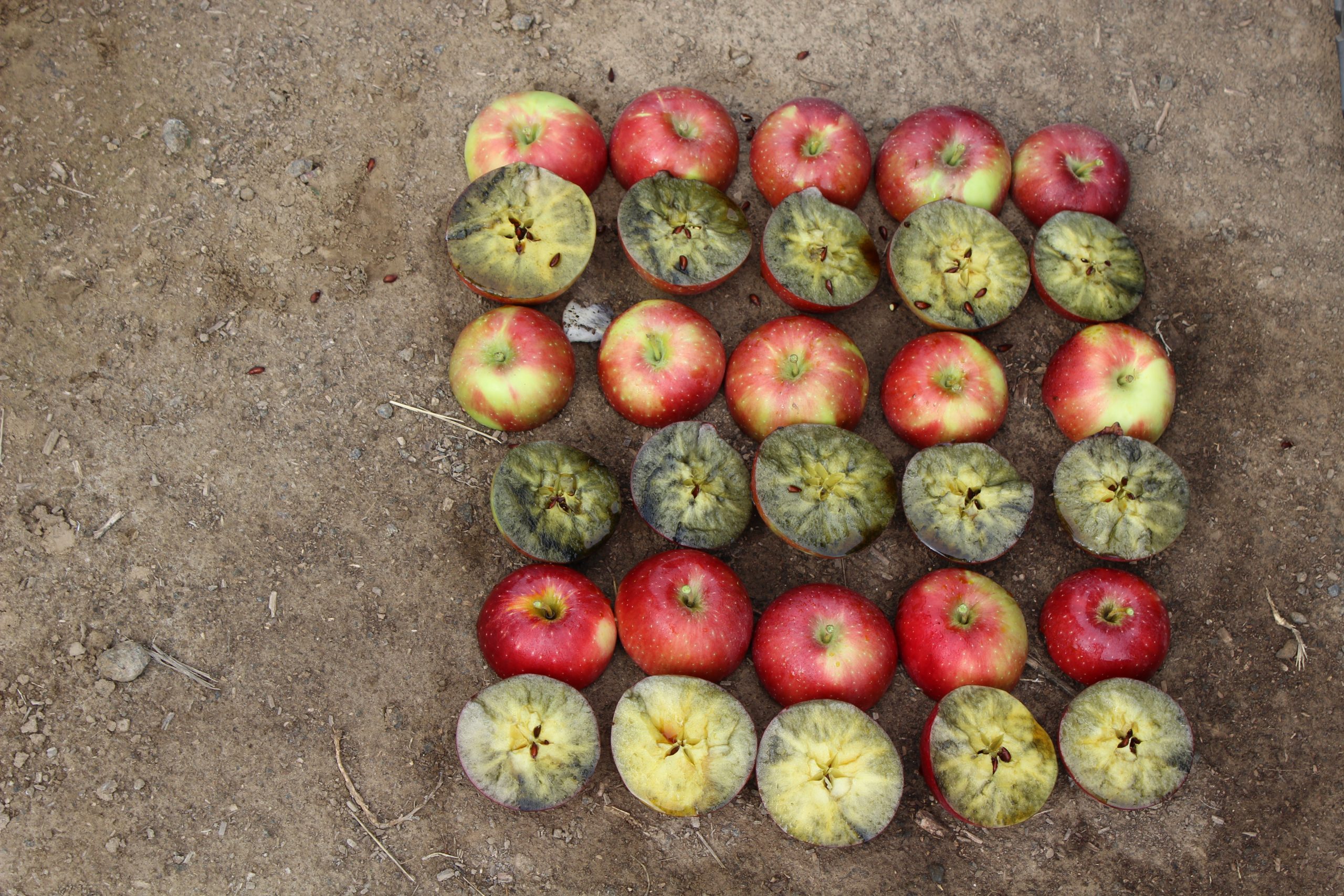
- Tracking fruit maturity. Ensuring fruit are at the proper maturity stage is critical for storage duration and prevention of physiological disorder development postharvest. Waiting for color is a common practice, but it can be a disaster if fruit have advanced maturity and have lower storage potential. Decisions like these need to be made carefully and should not be taken lightly.
- Training your harvest crew/checkers. Your harvest crew is one of the most important parts of your operation. Without a properly trained crew, high-quality fruits will not be harvested and those that are harvested will likely be damaged. Ensuring success of your crew also ensures your own success further down the line.
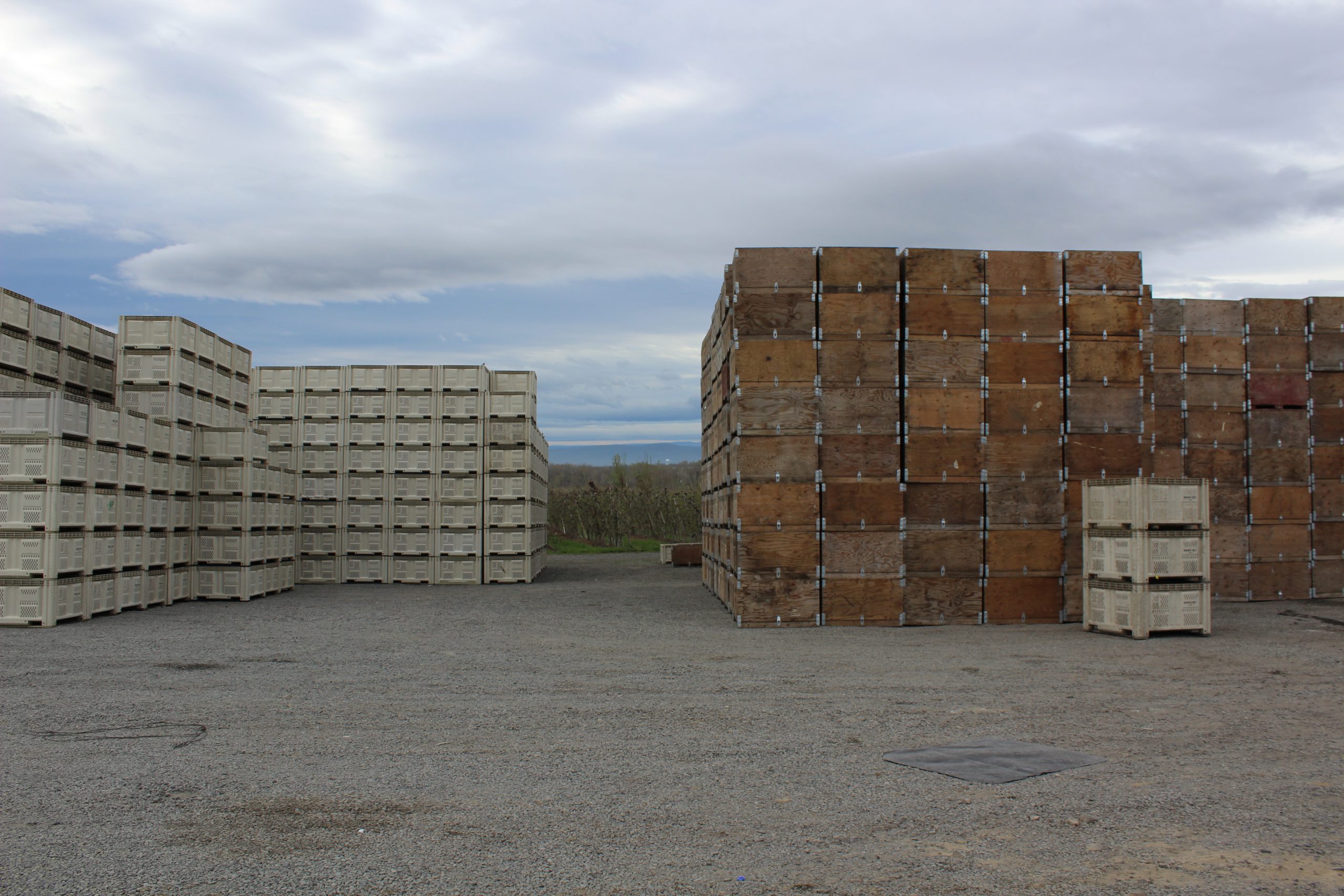
- Staging harvest bins. Placement of harvest bins is another important factor. Putting bins out into the orchards ahead of time can increase the risk of decay spores landing and adhering to the bins. Additionally, keeping bins on gravel and avoiding dirt/grass when possible further reduces the risk of spore dispersal.
At harvest
- Harvest your best fruit first. As someone once told me, “A packinghouse is not a hospital; it’s hospice”. In other words, good fruit in = good fruit out, and vice versa. If the fruit being harvested are not high quality, you should not expect to have a high-quality product when it is packed.
- Check your crew often. Always be ready to check in on your crew regularly to ensure they are doing a great job. People can get carried away and begin to pack recklessly, leading to several postharvest issues (bruising, punctures, decay, etc.). Checking in regularly with your crew allows you to monitor the quality of the fruit being placed into the bin.
Postharvest
- For packers. Managing large storage rooms is not easy, and it takes a serious amount of dedication and diligence. One small mistake could potentially lead to the loss of a 3,000-bin room. Relying on your network of peers allows for continuous feedback/ideas to ensure the fruit are being maintained well and primed to be packed at their peak quality.
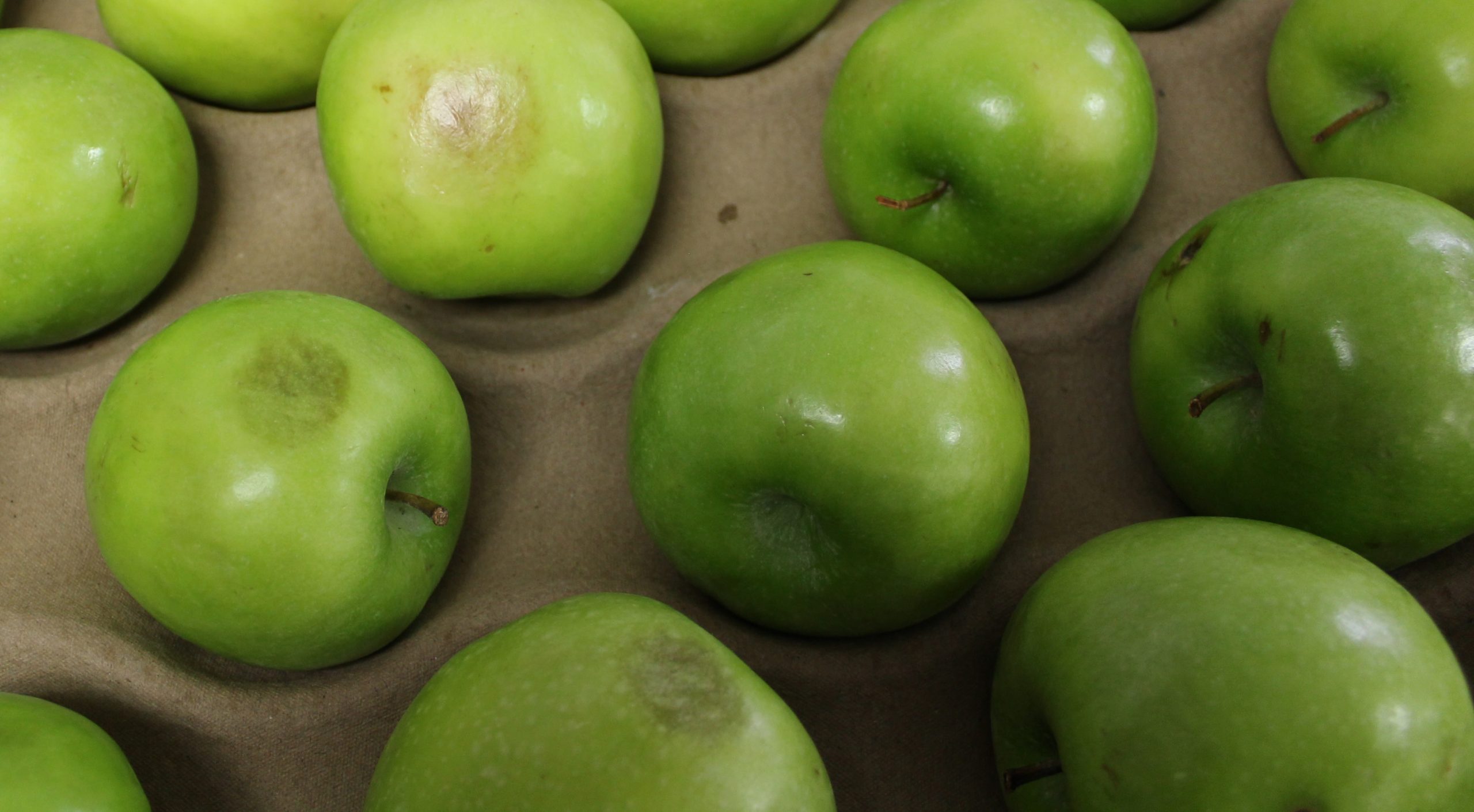
- For growers. Once your fruits are harvested, there is a tendency to forget about them and only focus on next year’s crop. I understand the urge and have been in those same shoes. However, the behavior of your fruit after harvest is what should be dictating your management decisions before If you are having issues with decay in cold storage, figure out why the decay is occurring. Were your fruit bruised/punctured at harvest, leading to decay proliferation? Were lower-quality fruits included in bins that could have helped spread decay? The take-home message is to WATCH YOUR FRUIT RUN ON THE PACKINGLINE. Communicate with the warehouse and coordinate so you can be present when your fruit are run. Cull analyses are not enough to tell the full story. For example: your cull analysis may say 30% of fruit were culled from decay, but if all those fruits had punctures going into storage, your problem had more to do with punctures than decay (although the decay is still significant). By being present and communicating with the warehouse, one can paint a picture of the life cycle of the fruits and make decisions that will impact the following crops.
Wrap-up
There are several factors that come into play when discussing harvest considerations. The most important point is that each stage of the process is related: what you do before harvest influences your harvest decisions and affects how your fruit performs postharvest. To overlook one of these would be a mistake and would fail to consider the whole picture.
Contact

Thiago Campbell
Washington State University
Thiago.campbell@wsu.edu
(786)-375-1363
Fruit Matters articles may only be republished with prior author permission © Washington State University. Reprint articles with permission must include: “Originally published by Washington State Tree Fruit Extension Fruit Matters at treefruit.wsu.edu” and a link to the original article.