Written by Tobin Northfield, Entomology, Washington State University. Edited by Scott Harper, Plant Pathology, Washington State University. May 4, 2026.
The warm weather this spring may have led to increased phytoplasma movement and growth, allowing Colladonus reductus to transmit in their first generation, typically in late May and June. However, we observed C. reductus adults on May 6 in the Yakima region, so adult emergence is early this year. In blocks with X-disease prevalence we recommend applying herbicides to target broadleaf weeds, and this year coordinating preharvest fruit fly sprays to also target X-disease vectors if they are present.
As a reminder, X-disease vectors must acquire X-disease phytoplasma each year, and typically do not transmit phytoplasma until July or August when C. reductus has its second adult generation. However, in 2024 we observed transmission in the first generation after a particularly warm pre-bloom period, as well as more consistent phytoplasma titers in the leaves earlier in the season than previously documented. Thus, the particularly warm spring in 2026 may also drive early transmission this year.
Effective leafhopper insecticides
Recent lab bioassays conducted at WSU Wenatchee suggest several insecticides caused high leafhopper mortality, including pyrethroids (e.g., Asana XL, Mustang Maxx), sulfoxamine (e.g., Transform), neonicitinoids (e.g., Actara 25 WG, Admire Pro), pyrethrins (e.g., Pyganic), and flonicamid (e.g., Beleaf) (Marshall et al. 2025). For additional efficacy information see the Tree Fruit Crop Protection Guide.
Key vectors
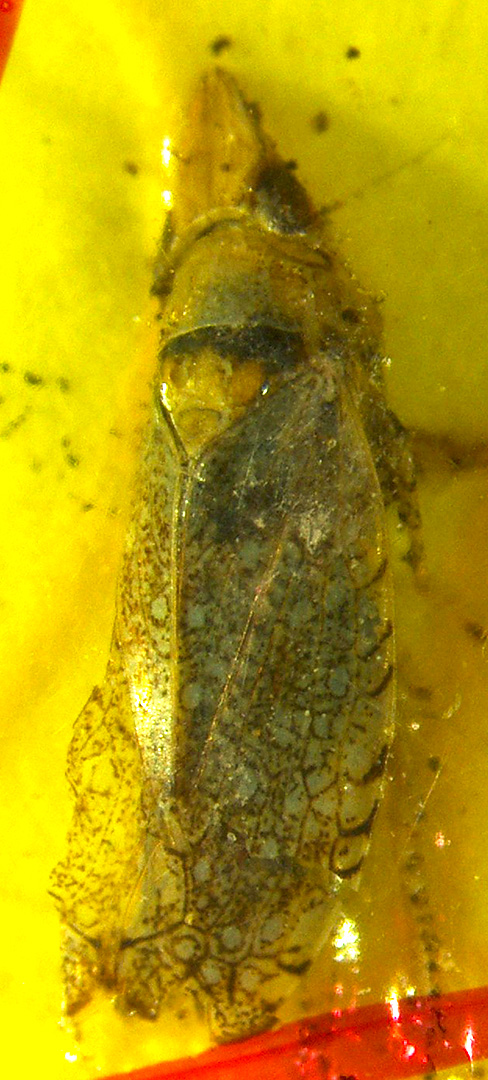
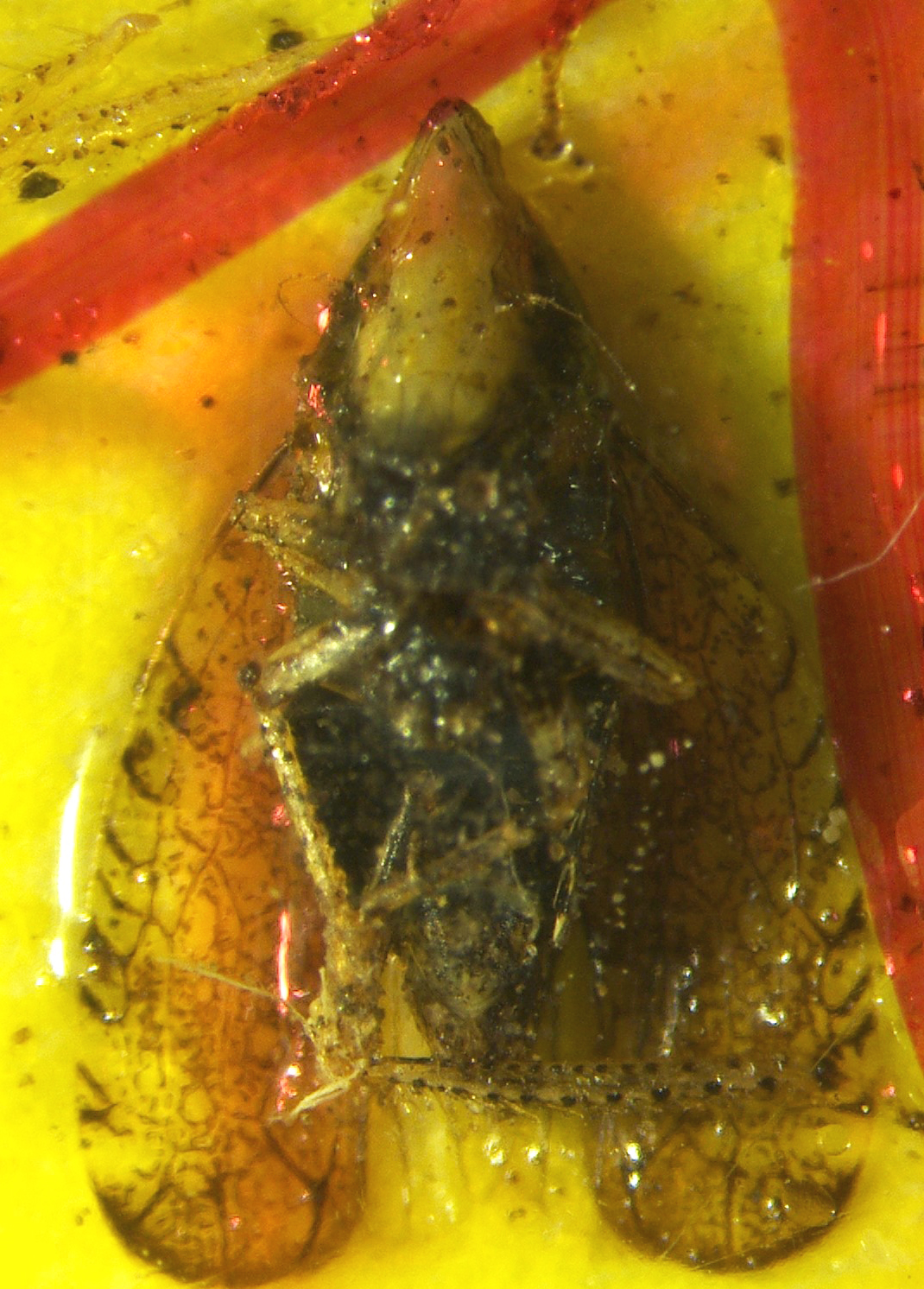
The most abundant vector in orchards with high X-disease prevalence is C. reductus. However, C. geminatus is also an important vector, and in 2025 we observed higher abundance of Scaphytopius acutus (Figures 1, 2), which prefers shrub and tree hosts more than the broadleaf weed-feeding Colladonus species. This other X-disease vector, S. acutus, appears to have two generations, with the first round of adults emerging in late May/early June, and a second in August through September. These species and other vectors in the area can be found at the WSU X-disease vector gallery, and further management information can be found at the WSU X-disease page.
Additional information
X-disease webpage
Little Cherry Virus webpage
Nursery Prevention of X-disease Phytoplasma and Little Cherry Virus Recommendations
BMPs for tree removal for X-disease and Little Cherry Virus infected trees
Case studies on tree removal for X-disease phytoplasma and Little cherry virus
Alternative weedy hosts for X-disease phytoplasma.
Videos
Symptoms of Little Cherry Virus and X-disease Phytoplasma.
Síntomas de Fitoplasma X y Little Cherry Virus.
Symptoms of X-disease Phytoplasma in Stone Fruit.
Síntomas de Fitoplasma X en Frutas de Hueso.
Contact

Tobin Northfield
Associate Professor, Endowed Chair of Tree Fruit Entomology and Integrated Pest Management
Washington State University
tnorthfield@wsu.edu
509-293-8789
Funding and acknowledgements
Funding provided by WSDA Specialty Crop Block Grant K4595 and WSU/USDA ARS Partnership 58-2092-2-020.
Reference
Marshall, A.T., K.A. Catron, R.J. Orpet, R.T. Curtiss, T.D. Northfield, L.B. Nottingham. 2025. Insecticide and repellent tests on Washington leafhopper vectors of cherry X-disease. Journal of Economic Entomology, 118: 2699-2709.
Fruit Matters articles may only be republished with prior author permission © Washington State University. Reprint articles with permission must include: “Originally published by Washington State Tree Fruit Extension Fruit Matters at treefruit.wsu.edu” and a link to the original article.
Use pesticides with care. Apply them only to plants, animals, or sites listed on the labels. When mixing and applying pesticides, follow all label precautions to protect yourself and others around you. It is a violation of the law to disregard label directions. If pesticides are spilled on skin or clothing, remove clothing and wash skin thoroughly. Store pesticides in their original containers and keep them out of the reach of children, pets, and livestock.
YOU ARE REQUIRED BY LAW TO FOLLOW THE LABEL. It is a legal document. Always read the label before using any pesticide. You, the grower, are responsible for safe pesticide use. Trade (brand) names are provided for your reference only. No discrimination is intended, and other pesticides with the same active ingredient may be suitable. No endorsement is implied.